cable tray
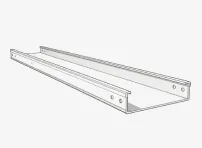
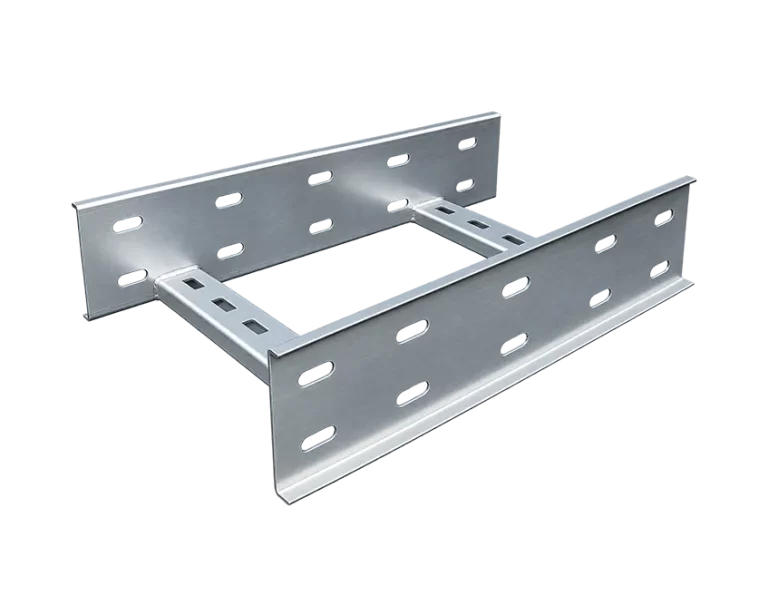
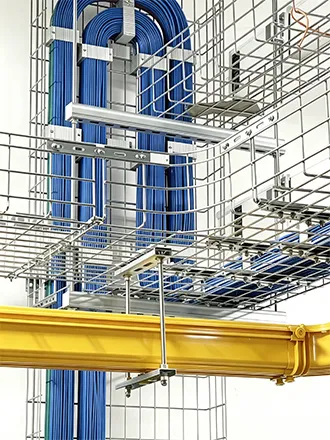
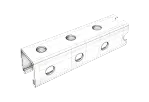
Formed via integrated stamping; ensures balanced heat dissipation and temperature control; features drainage holes to prevent water accumulation and resist moisture-induced corrosion.
 [language-switcher]


Cable Ladder Introduction
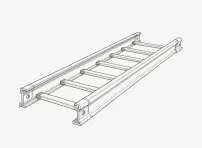
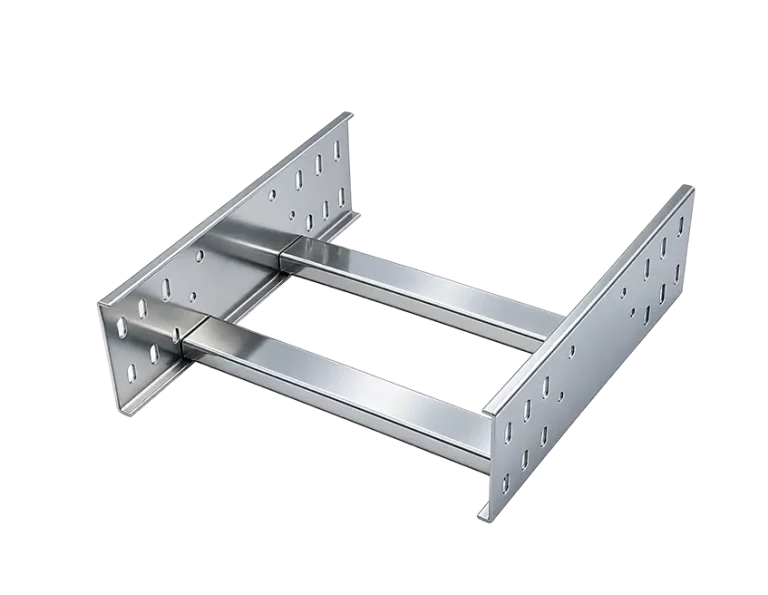
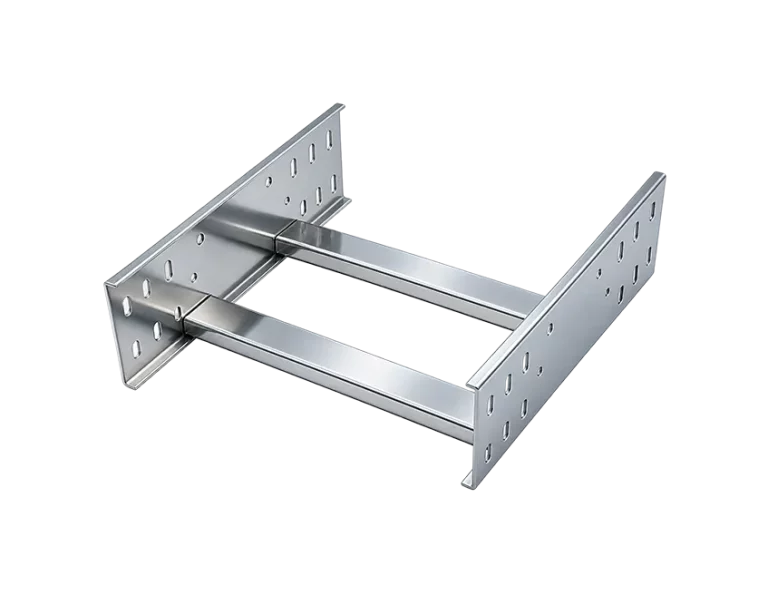
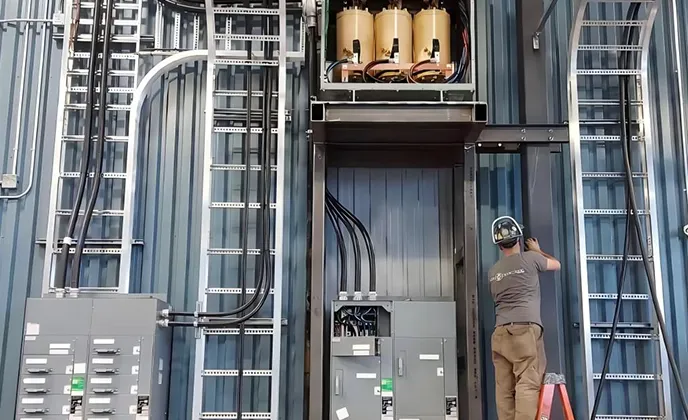
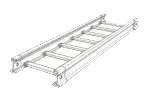
Cable ladders feature an open-frame structure consisting of side rails and rungs; they offer high load-bearing capacity and excellent heat dissipation, facilitate cable installation and maintenance, and are primarily used for power cable projects.
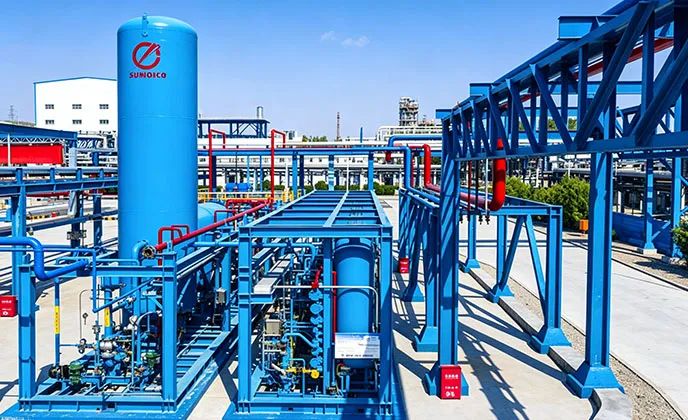
Industrial Plants
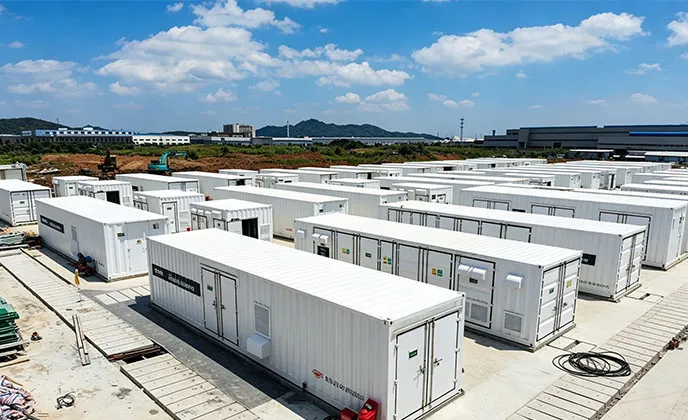
Commercial Buildings
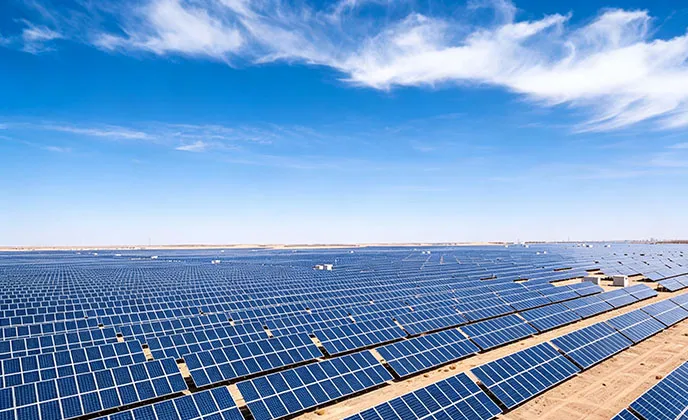
Solar Power Plants
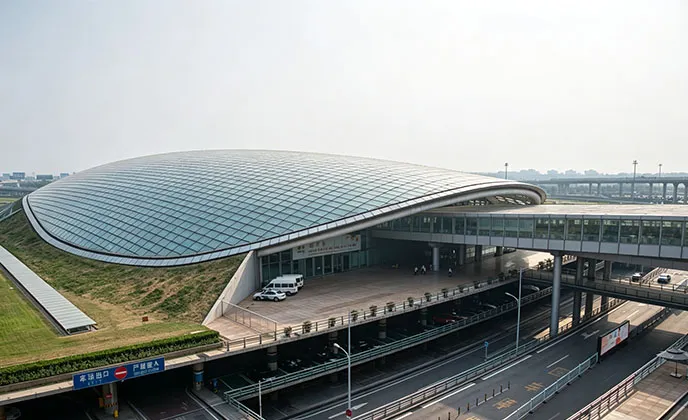
Commercial Buildings


A cable ladder is an open cable-support system formed by two longitudinal side rails connected by regularly spaced cross rungs. The rungs support cables and provide positions for suitable cable cleats, ties or fastening components.
Cable ladders can support power, control, communication and instrumentation cables. Final suitability depends on cable diameter, quantity, weight, bending radius, separation requirements and installation conditions.
A cable ladder has an open rung structure, while a trough cable tray normally has a continuous bottom and raised sides. Ladder systems keep cables more accessible, whereas trough designs provide continuous underlying support.
Cable ladders may be manufactured from steel, aluminum alloy, stainless steel or FRP/GRP. Material availability, grade, surface treatment and environmental suitability must be confirmed with the manufacturer.
Load capacity depends on the material, side-rail profile, material thickness, ladder width, rung construction, support span and installed cable weight. Confirmed load data should be used instead of estimating capacity from dimensions alone.
We will reply you within 24 hours. If for urgent case, please add WhatsApp/WeChat:+86 188 6519 8768, Or call +86 188 6519 8768 directly.
We respect your confidentiality and all information are protected.
We will only use your information to respond to your inquiry and will never send unsolicited emails or promotional messages.
 Inquiry